
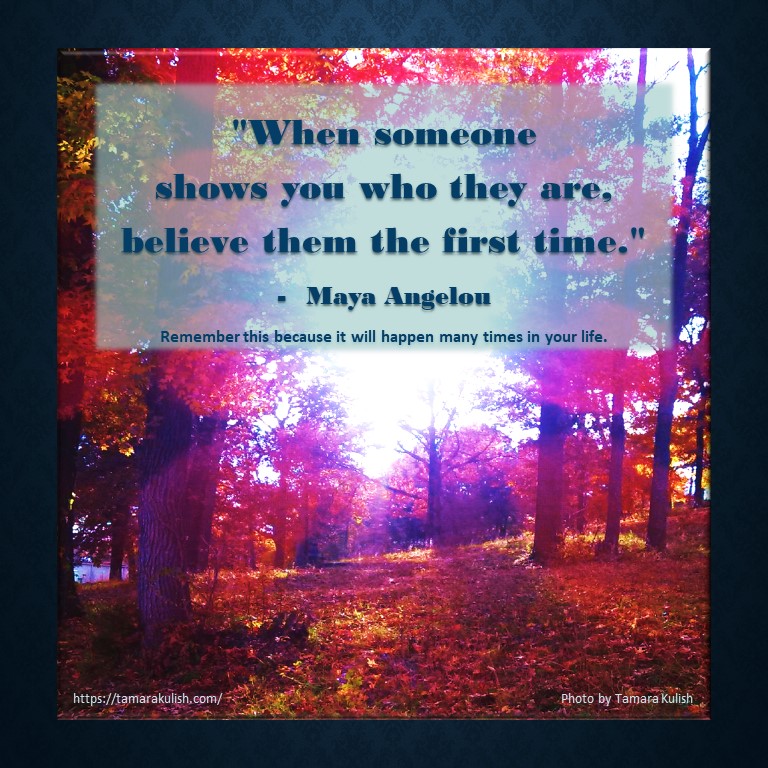
What do you think of now when someone says something is a red flag? That a relationship is irredeemably broken and it’s time to leave? That something is an automatic deal-breaker?
What are red flags and how seriously do we need to take them?
Throughout all contexts, the term “red flag” signifies a reason to stop. Red flags are thrown in sports when a game is halted because of a foul, and they are waved on race car tracks when conditions are too dangerous to continue down the road. Red lights signal us to stop our vehicles on the road, and red tape cautions us from going beyond a certain point.
“In relationships, red flags are signs that the person probably can’t have a healthy relationship and proceeding down the road together would be emotionally dangerous,” explains Dr. Wendy Walsh, PhD, a clinical psychologist who specializes in relationships.
13 Red Flags in Relationships:
I decided to do a little research on this one, since it has become only too common to say an undesirable behavior in someone is a red flag, and to possibly use it as an excuse to end the relationship. (13 Red Flags in Relationships is a good place to start.)
I have come to see that context and patterns are important to take into account. I’ve also come to see that it’s important to dig deeper to see what the true issues could be.
In our swipe left or right social culture, we’ll often dismiss someone based on one-of behaviors that don’t necessarily show that a relationship or friendship would be riddled with problems.
In this Instagram-perfect world there is a tendency to dismiss a potential relationship, or even end a perfectly good one, based on small issues.
Here are some questions and points that are good to think about and look into:
- Imperfections often get labeled as Red Flags, when they’re not that, but probably just personal irritations.
- So what red flags are potential deal breakers, and is it possible for a Red Flag to be worked on and change to a Green Flag?
- Are Red Flags all bad, or have we blown Red Flags out of proportion, amplifying and dramatizing them?
- Are there Red Flags that should always remain Red Flags or is it possible to change?
Red Flags
I see the following Red Flags as things to walk away from if the person is still actively involved in it or hasn’t done any inner work, because the person isn’t in a place to have a healthy relationship, but needs intervention, treatment, and counselling.
- domestic violence, or treating people badly for no reason other than to feel superior
- chronic cheating, or “Bread-crumbing“
- substance abuse
Domestic Violence
If someone has a history being a perpetrator of domestic violence it is almost 100% of the time wise to not get into a relationship with them, particularly if they’re still blame-shifting.
You may hear “They’re crazy, they drove me to it” or versions of that, which is a very strong indicator that when you fall off the pedestal they have put you on, that you will be blamed for their anger outbursts too. If they aren’t in control of their emotions and don’t take responsibility for their outbursts, those are deal-breakers.
If someone says they had a history of it but they have done a lot of inner work on themselves, my advice is to still proceed with caution, for what they perceive is a lot of inner work, may have only been the tip of the ice-berg they haven’t dealt with.
If they’re love-bombing you, chances are they know in their hearts they aren’t as healthy as they are trying to portray, and are trying to bind you to them quickly, before you can see what really lurks below the surface.
If they seem to be in a state of victimhood, be very wary and look deeper. They may have already identified your good heart, and even some naïveté, and are grooming you to be a co-dependent.
If they know you have already lived through domestic violence in your life, they will be very interested in you, for you already have the latent co-dependent tendencies they need to keep doing what they have done in the past.
People may say “I always seem to attract the abusers”, but that’s only part of the story. You see, they ping all the potential partners they meet, giving the same story.
Emotionally healthy people will walk away, they see they’re in dangerous waters.
People who respond in a supportive way to these lines are their potential target, because they can use the sympathy to gain a foothold and try to develop an emotional connection. If you’re responding sympathetically to such a story, stop, pause, and realize there’s more healing to do for you. Yes it is good to have a good heart, but unfortunately, good-hearted people are manipulated into believing a good sob story.
It is important to see the difference between someone who has had some tough things happen to them yet they take responsibility for their words and actions, vs. people who place themselves as victims and blame-shift for their bad behavior.
These are red-flag issues, not to be ignored.
Treating people badly: Subset of Domestic Violence or an indicator of tendencies?
Treating people badly. Being rude to cashiers or other “lowly” service people. Being nice or “sucking up” only to people who hold some kind of power or authority, and being dismissive or rude to anyone else.
These are important things to keep an eye on, for if you’re dating someone and they’re super-nice to you but mean to others around, know this for sure, when they get what they want from you (sex, or matrimony for the sake of showing off a “perfect” image), that when the reality of daily life sets in, you too will be treated that way or worse.
This is a big point to keep in mind. Also, listen to what their friends say about the person you’re seeing. If they say things like “You’re too good for him”, don’t take it as a compliment that you’re so wonderful, but look closely at the hidden warning: they’re letting you know the person isn’t as wonderful as they’re leading you to think!
Chronic Cheating or “Bread-crumbing”
I put both of these together because they are both symptoms of someone who has commitment issues, isn’t afraid of lying or creating a fake front to hide who they are. Neither one of these is healthy for a relationship, and both are reasons to get out of that relationship.
Cheating
“Once a cheater, always a cheater” is very true. If he or she cheated on their wife or husband to be with you, it’s probably only a matter of time before it happens again.
If you fall for the “my wife/ my husband doesn’t understand me, but I feel like you’re the only one who gets me” line, you’ve just been gaslighted, for this isn’t a person who is honest or able to handle their life in a way where other people don’t get hurt.
Dig a little deeper, an you may find that the spouse who just doesn’t “understand” your would-be love interest, is actually giving them push-back for their drinking or other undesirable behavior. Do look deeper! While they may be flattering you, they may not actually be good for you, just great at convincing you they are!
If they are truly in a terrible relationship like they tell you, then the healthiest thing for them is to get out and work on their own inner issues. Trust me, they aren’t without issues, none of us are.
Even if they’re with an abuser, there was something unhealed from their past that got them roped into being in that relationship, and as with most abusive relationships, there is damage that was done, and it will take some time and inner work to move through it. Cheating won’t heal them or make things better for them, no matter the sweet words they speak to you.
Bread-crumbing
Anna Williamson, dating expert and relationship coach, says the term ‘breadcrumbing’ comes from the fairy tale Hansel and Gretel “where ‘breadcrumbs’ have been left out in hope that someone will follow them, thinking they’re in for something entirely different to what is reality”.
By Kat Storr in “It made me feel insignificant, needy and desperate” – 4 women reveal what ‘breadcrumbing’ in dating feels like
Bread-crumbing is basically holding out a carrot in front of someone, doing some periodic love-bombing, then retreating. The attention is heady when it happens, but it is just enough to get a person hooked and wanting more, but there isn’t going to be more.
Keeping a person on a string is basically keeping them in a back pocket. You’re their fallback person, kept available in case their current relationship doesn’t work out, which if you look closely, is cheating!
If someone is doing this to you, cut that string they’re keeping you on!
No matter how beautiful the words they whisper in your ear, they’re not healthy relationship material.
You deserve better than being made to believe you are wonderful, then just being kept in a cupboard for when they want to come around for fun and spice.
Substance Abuse
If someone with substance abuse has gone through recovery and has more than a year of sobriety under their belt, have they started to deal with the underlying issues that propelled them into addiction? Just because someone is clean and sober doesn’t mean they have started to develop healthy life skills or that they have been working on their inner healing.
Some important issues to ponder:
- Until they do those steps, there’s a whole life of potential triggers out there for them, and do you wish to go through the roller-coaster of relapses and restarting recovery?
In many many cases, recovery isn’t a one-and-done thing, but is in fact a multi-step process that can take a person (or their whole family) through many recovery attempts, with bingeing, anger issues, destruction of property, theft, lying, manipulation, (to name a few things) thrown into the whole mix, making the recovery process very messy and terribly hard on everyone. - If you are drawn to someone who is newly on their road to recovery, have you taken some time to learn about substance abuse as well as the issues that pushed them into addiction?
These are all serious issues, not to be minimized or swept under the rug, for if you go into a relationship with someone who minimizes the above things, that alone is a sign that they haven’t really come to terms with all the aspects of their own recovery, and may want to rush the process, because they would like to just skip over them and go straight to their goal of a happy relationship without having put in the inner work on themselves to facilitate that. - Are you strongly identifying with them, seeing them as a victim of their circumstances?
If you’re seeing them as a victim, and not as a participant in their own actions, you may have been groomed to be a co-dependent person.
This isn’t healthy for either of you.
They need to take responsibility for their own actions as well as for their own recovery, or they will remain in the blame-shifting mode that helped them get entrenched in their addiction.
If you are co-dependent, you will constantly be making excuses for their behavior and even always be the clean-up crew. As long as they don’t take personal responsibility for their actions, they need you, but not because of healthy love, but to enable them to continue their behavior.
Yes, it is possible to have a healthy relationship with someone who has had a substance abuse issue, but only if both of you are in a healthy place.
Until then, keep doing the work you need to do on yourself. There’s no guarantee that they will be able to do the work, be on the same timeline as you, or will even emerge the same person they are projecting themselves to be once they go through their own inner work.
Yellow Flags
Yellow flags may or may not include recovery from one or more of the above Red Flag issues.
If a person has gone through recovery and is living a new healthy life, proceed with caution, for some of those old triggers may still be there, and come up in normal day-to-day interactions or problems.
How does the person respond when those issues come up? Pay attention to the clues.
Yellow flags might not refer to the Red Flags above, but are things that point to whether a person is ready for a relationship.
These can vary from not much life or relationship experience, having recently lost a partner, unhealthy lifestyles, not having a healthy relationship with money/ spending or bill paying, or even isms that seem overly annoying, and so on.
Yellow Flags are a “Proceed with caution”. They’re not necessarily deal breakers, but they’re definitely worth taking extra time to determine if they’re things that YOU can or cannot live with.
If a Yellow Flag turns out to be a Red Flag once you dive in deeper, it is okay to end things, because it isn’t working out for you and you don’t have the desire nor the bandwidth to have that in your life.
It’s okay to know your limitations at this point in your life, and to respect them. Ultimately, you need to live your life for YOU, and not only for the benefit of the other person.
You yourself may well be needing to go through some growth and healing before you can think of taking on anyone else’s Yellow Flag behaviors, and that’s okay too.
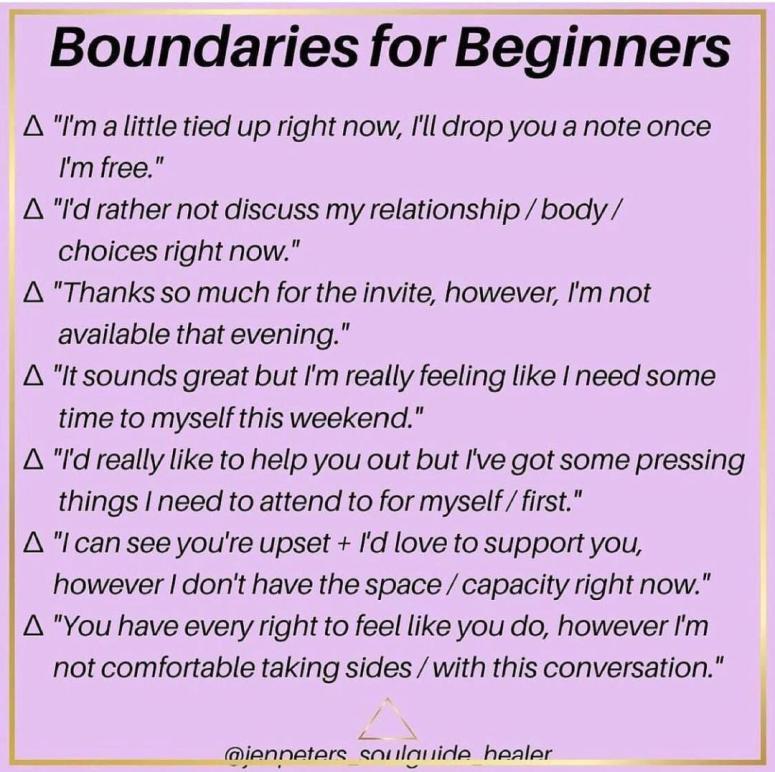
Green Flags
Ah Green Flags! Green Flags show us healthy communication abilities, good behavior and management of emotions in a healthy way, good life skills in handling life’s issues, plus a willingness to learn and an ability to put new knowledge into practice.
They’re great if they’re truly Green Flags, and not Yellow or Red Flags that we have ignored or brushed under the rug.
Only the test of time will be able to show if the Green Flags you think you’re seeing are truly that, or if you’re looking at your relationship with rosy-colored glasses.
If you have been making things look shinier in your mind than they actually are, it is okay to take an assessment at any time to determine the true state of things.
If you come to the conclusion you need to end things and walk away, please do so as civilly as possible, for everyone’s mental health, and of course for your safety. Please tap into community resources if you need help. You get to decide when “enough is enough”.
If there are Yellow Flag issues, but you both care about each other to honestly discuss what needs to be done, and to DO the work, then it is a matter of time before those Yellow Flags can be transformed into Green Flag behavior. Again, you get to decide if you have the bandwidth to do this work with your partner.
If you’re seeing Green Flags, Mazeltov! Enjoy your relationship, grow together in love and understanding!
Even if you’re not currently dating, these are important points to keep in mind, because they can point out the areas we still need to work on.
If something has sparked understanding of a past relationship, that may be something to explore within yourself, to further enhance your own development and healing.
Last note: Beige Flags
Okay, this seems more like a fun or funny thing, but a fellow blogger recently posted about Beige Flags. Read her words here!
“For those of you that don’t know what a beige flag is, it’s basically something weird about yourself. It’s not bad enough to be a red flag but it’s still a little odd. Hope that makes sense.”
Blessings to you. Please explore my many posts about mental health, inner healing and personal growth.
♥ ♥ ♥ ♥ ♥
Merch: click on each to see available items
Blessings!
Thank you for sharing this post and for following me!
Tamara
I hope you’ll poke around my Archived Posts to find a wonderful trove of supportive and encouraging posts! Don’t forget to Like, Comment, and Follow my blog! If you want to become a Guest writer, please contact me and we’ll work out the details!
https://tamarakulish.com/ Archived Posts: https://tamarakulish.com/archived-posts/
My books: Now available through Walmart.com!
Developing Happiness When You Can’t Find It and How to Heal Your Life on a Deep Heart Level are available in paperback and Kindle. Audiobooks are available for the busy person!
Guided Journals help you work on a particular issue by answering questions to help see patterns and to find solutions:
Removing Inner Blocks, Anger Journal, Guided Anxiety Journal Joy & Mindfulness Journal My Boundaries Journal My Inner Thoughts Journal
Thanks for buying my books on Amazon!
#writing #InspirationalWriting #art #creativity #strength #mentor #teacher #HappinessGuru #love #growth #healing #life, #inspiration, #quotes #happiness #joy #PersonalGrowth #pain #depression #anxiety #SelfEsteem, #LifeSkills #empowerment #encouragement #support #intuition #journal #consciousness #mind #learn #God #universe #angels #spiritual #spirit #awareness #journal #boundaries #emotionalhealth #mentalhealth #emotions
Discover more from Tamara Kulish
Subscribe to get the latest posts sent to your email.

 Tamara Kulish
Excellent post with important information!
LikeLiked by 1 person
Thanks so much Dawn! I appreciate your support!
LikeLiked by 1 person
A really interesting post! I very much agree with your red flags. And I’ll add one more of my own, someone who is nice to me but cruel to others is a red flag for me. Kindness is something I think is vital when looking for a partner and I just can’t stand it when someone is unnecessarily awful to someone.
LikeLiked by 1 person
Yes, I agree with that one. It bothers me so much. I’ll have to look at adding this into the post!
LikeLiked by 1 person
An interesting topic, Tamara. You’ve added more insight and consideration into a common term, that is sometimes used sarcastically. I appreciate your uplifting quotes. Thank you!
LikeLiked by 1 person
Thanks Michele, I appreciate your feedback. Yes, this is so often used pegoratively, but there’s so much truth to it too.
LikeLiked by 1 person
Tamara, thanks for this informative and insightful post. My cheating ex-husband came to mind with your comment: “If he or she cheated on their wife or husband to be with you, it’s probably only a matter of time before it happens again.” He did the same with his second wife.
> I was not familiar with the term “bread-crumbing.” I’ve been out of the dating scene for several years, but the behavior described brings to mind a female friend who I’ve realized for some time now is not really a friend. I’m just her “fallback person” when she needs company to attend an event. Thanks for helping me to see that it’s time to end the friendship.
LikeLiked by 1 person
I’m pleased that you were able to identify people in your life you fit those types, and you realize that you can make changes to improve your life.
None of us are beholden to maintain relationships that are not positive for us!
LikeLiked by 1 person
Agree!
LikeLiked by 1 person
Keep growing and keep learning! You’re doing great!
LikeLiked by 1 person
Some interesting guidelines. Thanks, Tamara!
LikeLiked by 1 person
Thank you Wynne! I appreciate your comments!
LikeLiked by 1 person
Many a flag I’ve met Tamara, until I finally found my own 😀❤️🙏
LikeLiked by 1 person
What a wonderful post! It made me realize a lot about myself and my ex-husband. That being said, it also terrified me about ever dating again! It makes complete sense that an abuser would look for someone sympathetic to date, and especially if the person has been abused before. Also very scary! I think I’m going to need to do a lot more work on myself if I have any hope of ever dating again. Honestly, though, a part of me even wonders if it’s worth it. I don’t ever want to go back to that kind of life! If I have to be alone (except for God) then so be it! At least I won’t be judged, belittled, hurt, and so very desperate, and neither will my children! 😭
LikeLiked by 1 person
The inner work we do on ourselves changes everything! Keep focusing on healing and teaching yourself to lime and to love yourself! As you heal, you’ll find that when you do meet these kinds of men in real life, that you’ll recognize the red flags pretty quickly. Practice recognizing them in your day to day life where there is no obligation to have any kind of romantic relationship. This will help you to see where you’re growing and where you still need to work on certain triggers or signs.
LikeLiked by 1 person
I find I am able to identify abusive men much quicker than ever these days. It’s kind of heartbreaking to notice that a huge percentage of the men I see or meet have those characteristics. I do have a few good friends in my life who are not at all abusive. I simply do not tolerate it anymore. I was completely snowed by my ex’s love bombing (thank you, fairytales for that nasty little surprise!) and he knew that my dad had been physically, verbally, and mentally abusive. I was the perfect candidate, I guess. He added sexual abuse to the list and gaslighting. Is it a wonder I couldn’t tell which way was up for so long? But God is good and so are the people in my life now (including my blogging friends like you!) So, no more whining, Rita! Stand up and trust God!
LikeLiked by 1 person
Wow! You have come a long way from where you were before! Just being able to see the damaged ares in people where you had been blind to previously is huge! Bravo!
Indeed, there will be many people in your area of work who are struggling with healing, and even many who choose that line of work because it still fits in with their own inner damaged areas. Becoming aware of this is very important to your recovery and will help you along your path.
Truly, God, our Angels, the universe seeks to help us to grow.
LikeLiked by 1 person
Thank you! You are such a blessing!
LikeLiked by 1 person
Thank you so much! 💓 Blessings to you!
LikeLiked by 1 person
Your guidance is most useful, Tamara, but I would add one more element.
In my practice and those of other therapists, we often encountered individuals whose heart
LikeLiked by 1 person
Dr. Stein, I’d love to hear the rest of your comment, bit it appears to have been cut off. You have my curiosity going, for I may need to add more to this post.
LikeLike
Please do eliminate the partial comment and this one. A longer version is not possible just now. Thanks.
LikeLiked by 1 person
No problem! Please be well!
LikeLike